Push Notification vs. SMS for Restaurant Marketing
A practical comparison of push notifications and SMS for restaurant loyalty campaigns — covering cost, reach, and open rates.
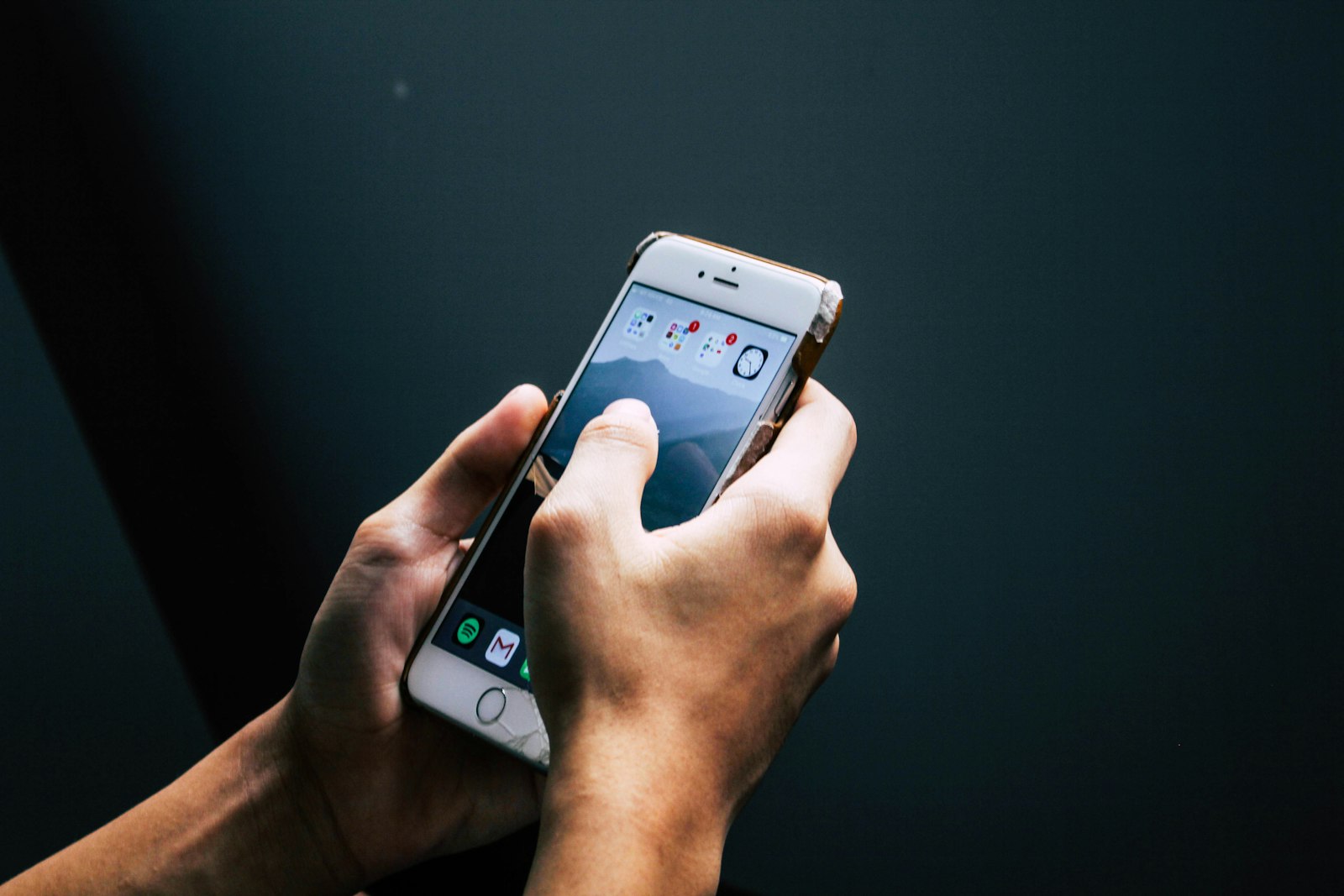
In restaurant marketing, messaging customers is no longer limited to “just send an SMS.” Today you have many channels at your disposal: push notifications, email, WhatsApp Business, Instagram DM, and more. In this article we take a detailed look at the two channels that are most often confused — push notifications and SMS. Our goal is to help you understand which one makes more sense in which situation.
Quick comparison
| Criterion | Push Notification | SMS |
|---|---|---|
| Cost | Free | Approx. $0.01–0.02 per message |
| Access requirement | App installed and notification permission granted | Phone number is sufficient |
| Open rate | 40–65% | 90%+ (in terms of visibility) |
| Click-through rate | 4–12% | 12–22% |
| Character limit | Flexible (approx. 178 + title) | 160 (fewer with special characters) |
| Media | Image, emoji, and rich content | Text only |
| Instant / delayed | Instant | Instant, but carrier delays possible |
| Opt-out obligation | Via in-app toggle | Compliant opt-out channel required |
Push notification advantages
Zero cost
When you send a message to 10,000 members, push costs you nothing. Sending the same message via SMS translates to a meaningful invoice per send. For businesses that run frequent campaigns, the gap between the two becomes dramatic.
Rich content
A push notification can contain an image, title, body text, and a call-to-action button. Your “new menu available” message is far more effective when accompanied by a photo. SMS is plain text only.
Segmentation ease
On AI-powered platforms, sending the same campaign to 5 different customer segments — each with a different personalized variation — is free with push. Attempting the same with SMS quickly adds up to serious cost.
Deep linking within the app
A customer who taps a push message goes directly to the relevant campaign screen, menu, or a one-tap ordering page. This directly lifts conversion rates.
SMS advantages
No app required
Sending push notifications requires the customer to have downloaded your app and granted notification permissions. For SMS, only a phone number is needed. You can still reach customers who have just registered but have not yet downloaded the app.
High visibility
Push notifications can get lost among other notifications — a customer scrolling through their list may not notice them. SMS lands directly in the message inbox and has a very high open rate.
Perception of reliability
Especially among customers aged 40 and above, SMS still carries the perception of an “official, important message.” Its impact is high for high-value campaigns such as VIP invitations or special events.
Crisis scenario
Even if your app goes down, SMS still gets through. Push infrastructure depends on Apple and Google servers; while rare, delays or outages can occur.
Decision framework
Use push notification if:
- You have an established app user base
- You send campaigns frequently (four or more times per month)
- Your personalization depth is high
- Your customer profile is younger and digitally savvy
- You want to use rich content and images
Use SMS if:
- You don’t have an app or download rates are low
- Your customer base skews older
- You are sending a one-off, high-value message (VIP invitation, event, urgent notice)
- You are running a win-back campaign — because you can still reach users via SMS who have disabled push notifications
- You are sending operational notifications (reservation confirmation, table ready alerts)
Hybrid strategy (our top recommendation)
The best results come from using both channels together:
- Primary channel: push (for customers actively using the app)
- Fallback channel: SMS (same campaign sent via SMS 24 hours later if push was not delivered)
- Special case: high-value SMS (some campaigns sent directly via SMS for VIP customers)
Your platform should manage this “cascade” flow automatically. That way, every customer receives the message through a single channel, once — and duplicate sends are prevented.
Compliance note
Both channels require explicit consent:
- SMS: Lists of numbers obtained secondhand (purchased lists) must never be used. In the event of a regulatory complaint, serious penalties apply.
- Push: In the app, the user already grants notification permission. But if the message content falls into the “commercial electronic communication” category, you may need to obtain a separate opt-in under applicable electronic commerce regulations.
Common mistakes
- Sending the same message through both channels: The customer receives the message twice, and the brand feels intrusive.
- Using SMS for general discount announcements: It is both expensive and produces low conversion. Push is sufficient for such cases.
- Writing long push messages: The first 60 characters are critical, because everything after that is cut off on a mobile screen. Writing too much means your core message gets lost.
- Sending without measurement: Every message must be tracked with a unique link. UTM parameters or the platform’s own analytics system exist for this purpose.
Conclusion
The question is not “push or SMS” — the right question is “which one for which message.” On the right platform, both work together in a cascading manner, keeping your costs to a minimum. The Loyi platform comes pre-configured to treat push as the primary channel and SMS as the fallback.