LOYI: Digital Coupon Management (Single-Use, QR, Group)
Loyi's digital coupon engine manages single-use, shareable link, QR code, and group coupons on a single infrastructure and validates them at the POS level.
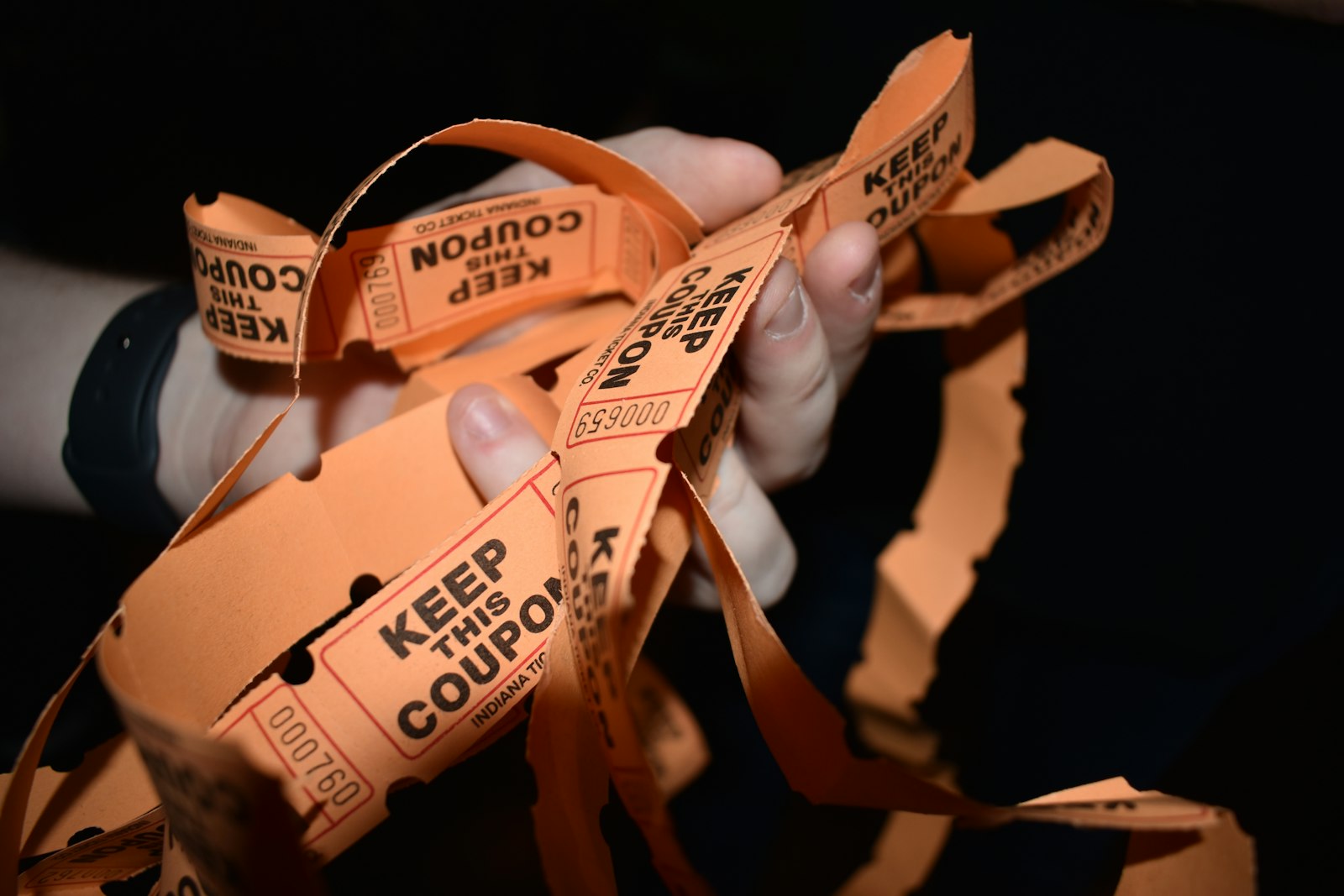
The coupon is one of the oldest and most powerful tools in restaurant marketing. It offers the customer a tangible opportunity, eases the moment of decision, and creates immediate urgency. For a coupon to be effective, however, it must reach the right person, resist misuse, and work seamlessly at the POS system. Classic paper coupons struggle to meet all three conditions — they get photocopied, expiry dates are missed, and staff encounter confusion at the register. Loyi’s digital coupon engine, by contrast, presents every coupon from the moment it is created as a trackable, verifiable asset that automatically closes after use. In this article, we describe the four main coupon types managed in the Loyi panel and their use cases.
1. Single-use coupon
This is the most basic coupon type. One coupon goes to one person and is used once; it then automatically becomes invalid. When defining this coupon type in the Loyi panel, you specify who it goes to, when it is valid, which products or categories it can be applied to, and whether there is a minimum spend threshold. The coupon lands in the customer’s app, and a message notification directs them to the relevant screen. When the customer presents the coupon at the register, the staff scans the QR code, the POS system validates and applies the coupon in real time. Immediately after use, the same coupon becomes invalid across the entire system — it can never be reused at another register, another branch, or under another customer’s name.
This infrastructure is especially critical for high-value win-back campaigns. Say you’ve offered a complimentary item worth 200 TL each to 500 customers who haven’t visited in the last 90 days. With a classic paper coupon system, some customers might photocopy it and distribute it to friends, or the same customer might use it separately at two different branches. The digital single-use coupon eliminates these risks from the outset, ensuring every penny of your campaign budget reaches its intended destination.
2. Shareable link coupons
In some campaigns, the goal isn’t for the existing customer to use the coupon alone — it’s to get it into the hands of a new customer as well. This is where the shareable link coupon type comes in. Your existing customer sees the coupon in the app, taps the “share with a friend” button, and the generated unique link is shared via WhatsApp, iMessage, or social media. The recipient who clicks the link is directed to the Loyi app download page and, after registering, automatically receives the coupon. The referral chain thus becomes measurable and traceable.
The biggest advantage of this coupon type is that it opens the door to referral marketing. You can set up a campaign like “bring a friend and both of your coffees are half price” in five minutes. The referring customer is recorded in the system, and the newly registered customer is linked to them. Loyi automatically tracks which referral came from whom, so you can also reward your most active referral generators with special recognition.
3. QR code coupons
QR code coupons bridge the digital world and the physical world. A QR code can be printed on a poster, a table tent, a receipt footer, or even a sticker on the branch’s storefront window. When a customer scans the QR with their phone, they are directed to the Loyi app and the coupon is automatically added to their account. This coupon type is especially effective for new branch openings, event partnerships, and awareness campaigns in specific areas.
In the Loyi panel, each QR code is assigned a unique identity. This opens up analyses such as how many times a given QR was scanned, which location had the highest scan rate, and at what time of day on which day scans occurred. To be clear, this data does not create any privacy violation at the individual customer level — it is used solely for aggregate traffic and effectiveness measurement. Thanks to this data, you can clearly see which location’s poster worked and which was wasted, and plan the next campaign accordingly.
4. Group coupons
Sometimes you want to open a single code to a specific community. For example, running a special campaign for students at a nearby university, employees in an office building, or residents of a housing complex. The group coupon is designed exactly for this purpose. You generate a single code, distribute it collectively, and can set an upper limit on how many people can use it. You also configure parameters such as how long the code is valid, which products it applies to, and how many times each person can use it.
The most powerful aspect of group coupons is that they can be used to establish access to a new segment. In a partnership with a nearby university, you can prepare a code to be given to those who show a student ID. Every student who uses the code registers in your app, you acquire a new segment, and in the coming months you can regularly offer that segment special student campaigns.
POS-level validation
Digital coupons alone are not enough — the real value emerges from a validation layer integrated with the POS. Loyi notifies your POS system of every coupon simultaneously. This means the cashier scans the QR without lengthy procedures, sees the validity instantly, and when the coupon is applied, the discount is automatically reflected on the receipt line. If a customer who has already used a coupon at one branch tries to use the same coupon at another branch, the system alerts staff and rejects the transaction. The possibility of misuse is thus reduced to near zero.
The difference between a campaign and a coupon
A frequently asked question at this point is: what is the difference between a campaign and a coupon? A campaign is a marketing plan applied to a defined target audience over a set period of time. A coupon is the tangible tool that lands in the customer’s hands as part of that campaign. A campaign can generate multiple coupons, and the same coupon can be used across multiple campaigns. Loyi manages these two concepts as separate but connected structures. You set up the campaign; the system selects the appropriate types from the coupon engine and distributes them automatically.
Conclusion
Digital coupon management puts one of the most fragile points of classic restaurant marketing on a solid infrastructure. Single-use coupons protect your campaign budget, shareable links support organic growth, QR codes digitize physical traffic, and group coupons open the door to new segments. Loyi’s POS-integrated infrastructure allows you to manage all four types from a single panel and measure the impact of each. A well-managed coupon engine remains an opportunity that reaches the right person at the right time, positioning your brand perception not as “runs discounts” but as “thinks about me.”