Loyalty Program Setup Guide for Cafes
What to watch out for when setting up a loyalty program for single-location or chain cafes — technical infrastructure, reward strategy, and a 90-day launch plan.
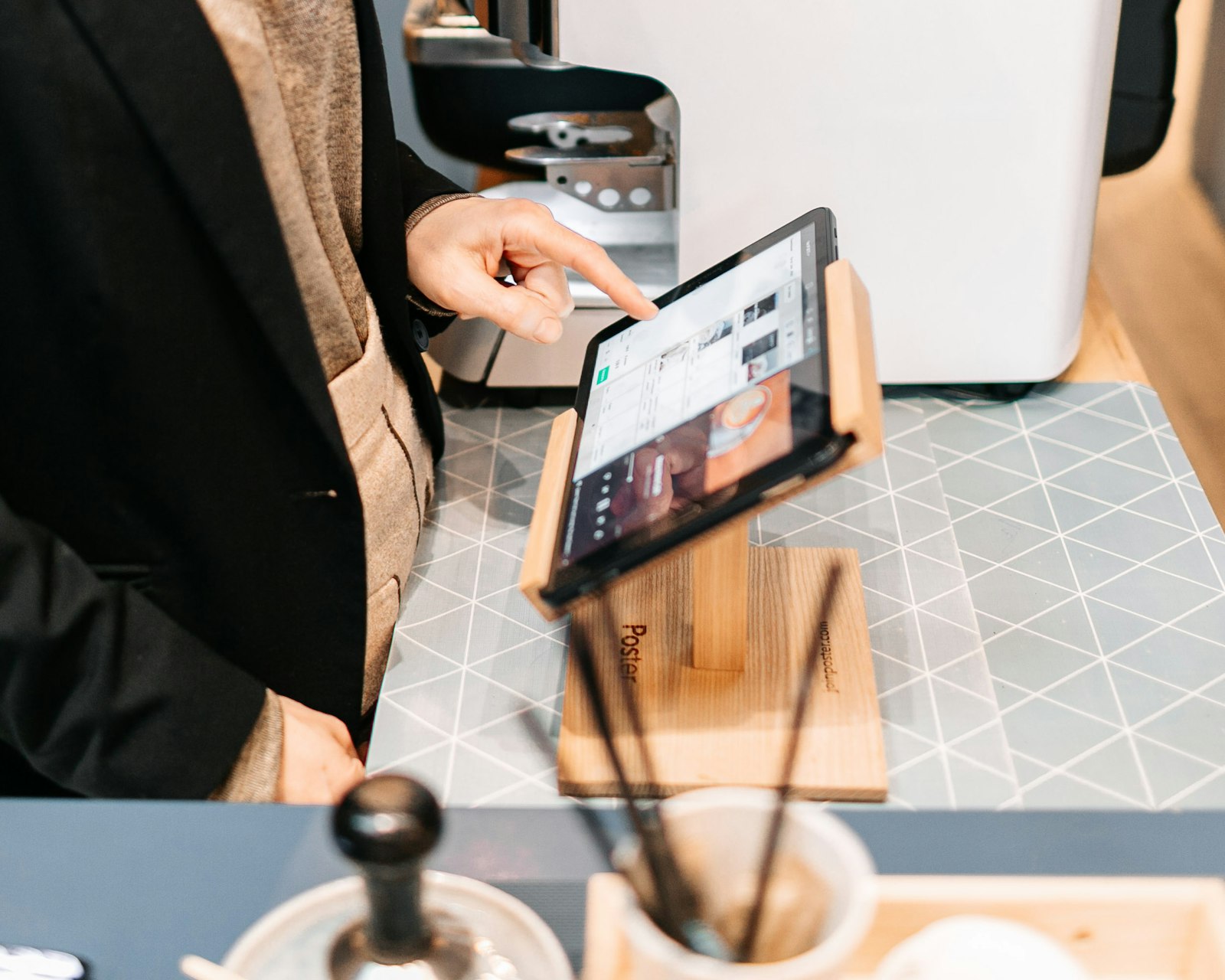
The cafe segment gets the highest return from loyalty programs of any restaurant type. Visit frequency is high, ticket size is roughly predictable, and customers already operate on habit. When a customer loves getting their morning coffee from the same place, a well-designed loyalty program is the easiest way to keep them with you. In this post we walk through the steps of setting up a loyalty program for cafes — from zero to 90 days.
Why is ROI high for cafes?
- Visit frequency: A fine dining customer comes half a time per month, while a cafe customer comes 2–4 times per week. More frequent interactions mean more data, and more data means AI can make better recommendations.
- Low decision load: Customers don’t deliberate long when picking up their coffee. That’s why a loyalty incentive is most effective when it activates at the exact moment of decision.
- Standardized product: The product range isn’t overly complex, so reward math is easy to set up.
- Stamp culture: The “buy 10 coffees, get 1 free” concept is already familiar. When you introduce a new program, convincing customers is simple.
1. Choosing your technical infrastructure
Physical card or digital app?
Physical cards come with costs: printing them costs money, customers lose them, and most importantly, you can’t collect shopping data from a card. That’s why we don’t recommend the physical card approach.
With a digital app, customers register themselves, you can send push notifications to their phones, every purchase is processed in real time, and campaigns run automatically. Our default recommendation is always the digital app.
POS integration
Having cashier staff manually enter every customer visit into the system is not a sustainable method. Your POS — your cash register system — needs to talk automatically with the loyalty platform. Minimum requirements are:
- Receipt line items, totals, and dates must be automatically pulled from the POS.
- Customer matching (via phone number, QR code, or app) must be straightforward.
- Point accumulation or reward redemption must be reflected in the POS instantly.
Loyi integrates out of the box with the most commonly used POS systems in Turkey: Adisyo, Simpra, MikroPOS, Logo, Eliva, and Foodics.
2. Designing your reward model
Classic stamp model: “Buy 10 coffees, get 1 free”
- Advantage: A universally understood, unquestionably appealing formula.
- Disadvantage: Gives every customer the same value. A customer who spends 2,000 TL per month gets the same reward as one who spends 200 TL.
Tier model (Bronze / Silver / Gold)
- Customers move up tiers based on their spending.
- Each tier has different benefits (e.g., Gold members get 10% off while Silver members get 5%).
- Advantage: Rewards high spenders and deepens their commitment.
- Disadvantage: Motivation for new customers is initially weak, as reaching Gold will take a long time.
Dynamic rewards (AI-powered) — our recommendation
- Each customer’s history, visit frequency, and segment are examined.
- Personalized offers are created — for example, “This week, latte is ₺45 just for you.”
- Rewards vary by season, time of day, and stock availability.
- Advantage: 2–3× higher impact with the same budget.
3. Communication strategy
Onboarding flow (first 7 days)
Onboarding is the initial welcome process you build to help new members learn the program. A well-functioning flow looks like this:
- Post-registration: A “Welcome” message and a small first reward.
- Day 3: A short explanation of how to use the app and its features.
- Day 7: If the customer hasn’t returned yet, a special incentive for their first visit.
Active member communication (monthly rhythm)
- Weekend reminders (for cafes, a Saturday morning 09:00 push notification performs well).
- New product announcements — but send these only to the segment that would actually be interested. Don’t blast every member.
- A small gesture for birthdays or anniversaries.
Warning: communication fatigue
If you send more than 6 messages per month, the notification opt-out rate among members jumps from 3% to 15%. Your goal should be: a maximum of 3–4 meaningful messages per person per month — no more.
4. 90-day launch schedule
| Week | Focus | Metric |
|---|---|---|
| 0–2 | Setup, POS integration, staff training | Member transaction time at the register under 5 seconds |
| 3–4 | Soft launch — pilot in 1–2 locations | Registration rate at least 15% |
| 5–8 | Rollout to all locations, campaign tests | Active member rate at least 50% |
| 9–12 | First segmentation and lost-customer campaigns | Member basket premium at least 1.2× |
5. Common mistakes
- Starting too generously: If you give away free products to the first 10 customers, the brand perception settles into “they’re always running discounts.” Once the premium image is weakened, it’s very hard to fix.
- Neglecting staff training: If the cashier doesn’t ask customers “Are you a member?”, registration numbers drop. Your daily target should be: at least 30% of new customers should be asked.
- Making the app too complicated: If a customer can’t see their points in three taps, they won’t open the app again. A simple interface is half the battle.
- Not tracking metrics: The program launches and then gets forgotten. If nobody looks at the dashboard, ROI disappears and you end up thinking the program isn’t working.
Conclusion
A loyalty program for cafes is not a “nice to have” — it is a direct part of your business math. When set up correctly, it returns 3–5× your investment within the first 6 months. Three things matter: the right tool, the right process, and consistent measurement.